
 Photo by Google DeepMind on Unsplash
Google DeepMind hurricane forecast improves predictions
By The Guardian | 5 min read
AI research from Google's DeepMind is being used to sharpen hurricane forecasts by combining physics-based models with data-driven insights. The article explains how machine learning can identify patterns in historical storms and atmospheric data that traditional models may miss. It highlights improvements in forecast accuracy for track and intensity on multiday timescales, which could help emergency planners and coastal communities. The piece also notes the challenges of deploying AI in operational weather forecasting, including data quality, model explainability, and the need for robust validation. Overall, the story signals a growing role for AI in weather prediction and disaster resilience.
 Photo by Dexter Fernandes on Unsplash
Coal-killing sodium-ion energy storage is coming to kill your coal power plants
By CleanTechnica | 5 min read
Sodium-ion batteries are emerging as a cost-effective alternative to lithium-ion for grid-scale energy storage. The article argues that sodium-ion tech could accelerate retirement of aging coal plants by providing reliable, lower-cost storage during peak demand. It explains the material advantages, such as abundant sodium and lower sourcing risks, and the current pace of performance improvements. The piece also discusses remaining hurdles, including energy density, cycle life, and the need for standardization and certification for grid use. The author concludes that sodium-ion storage could reshape the energy transition, especially in regions rich in sodium resources.
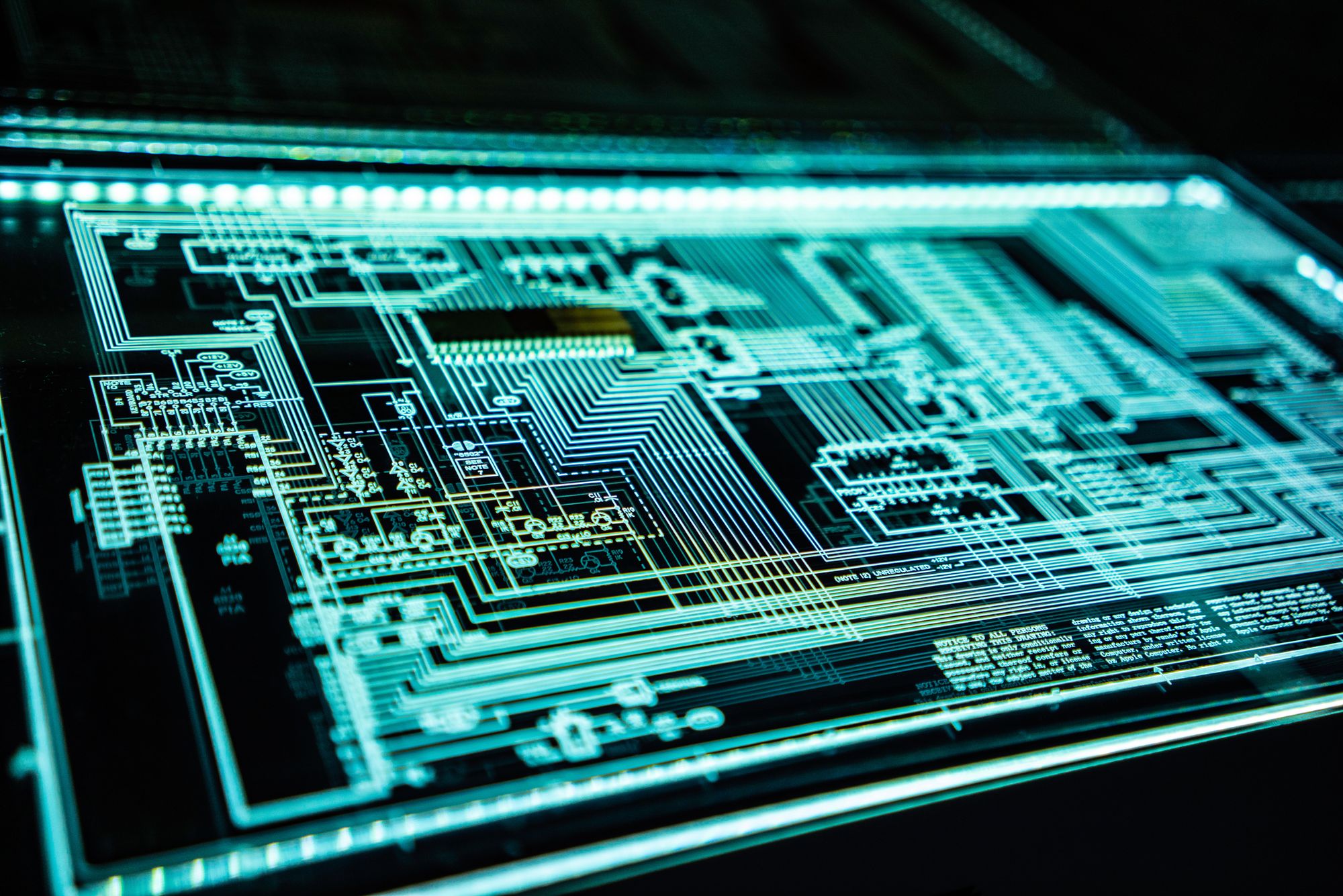 Photo by Adi Goldstein on Unsplash
Tech & Digital: Israeli innovation in action
By Ynet News | 5 min read
Israel's tech scene is highlighted through a new wave of startups and policy shifts aimed at boosting innovation. The article surveys notable Israeli developments in AI, cybersecurity, and digital infrastructure, and discusses how local ecosystems are aligning with global markets. It notes government initiatives and private investment that are accelerating product-market fit and export potential. The piece also warns of regulatory and talent-availability challenges that could temper rapid growth. In sum, it showcases the persistent momentum of Israel's deep-tech sector and its implications for global tech supply chains.
🌙 NASA - Best Photo from Last Week
Hubble Surveys Cloudy Cluster
ESA/Hubble & NASA, C. Murray, J. Maíz Apellániz
This NASA/ESA Hubble Space Telescope image released on Sept. 12, 2025, features a cloudy starscape from an impressive star cluster. This scene is in the Large Magellanic Cloud, a dwarf galaxy situated about 160,000 light-years away in the constellations Dorado and Mensa. With a mass equal to 10–20% of the mass of the Milky Way, the Large Magellanic Cloud is the largest of the dozens of small galaxies that orbit our galaxy.
The Large Magellanic Cloud is home to several massive stellar nurseries where gas clouds, like those strewn across this image, coalesce into new stars. Today’s image depicts a portion of the galaxy’s second-largest star-forming region, which is called N11. (The most massive and prolific star-forming region in the Large Magellanic Cloud, the Tarantula Nebula, is a frequent target for Hubble.) We see bright, young stars lighting up the gas clouds and sculpting clumps of dust with powerful ultraviolet radiation.
This image marries observations made roughly 20 years apart, a testament to Hubble’s longevity. The first set of observations, which were carried out in 2002–2003, capitalized on the exquisite sensitivity and resolution of the then-newly-installed Advanced Camera for Surveys. Astronomers turned Hubble toward the N11 star cluster to do something that had never been done before at the time: catalog all the stars in a young cluster with masses between 10% of the Sun’s mass and 100 times the Sun’s mass.
The second set of observations came from Hubble’s newest camera, the Wide Field Camera 3. These images focused on the dusty clouds that permeate the cluster, providing us with a new perspective on cosmic dust.
Disclaimer: None of the content in this newsletter is meant to be financial advice. Please do your own due diligence before taking any action related to content within this article.