
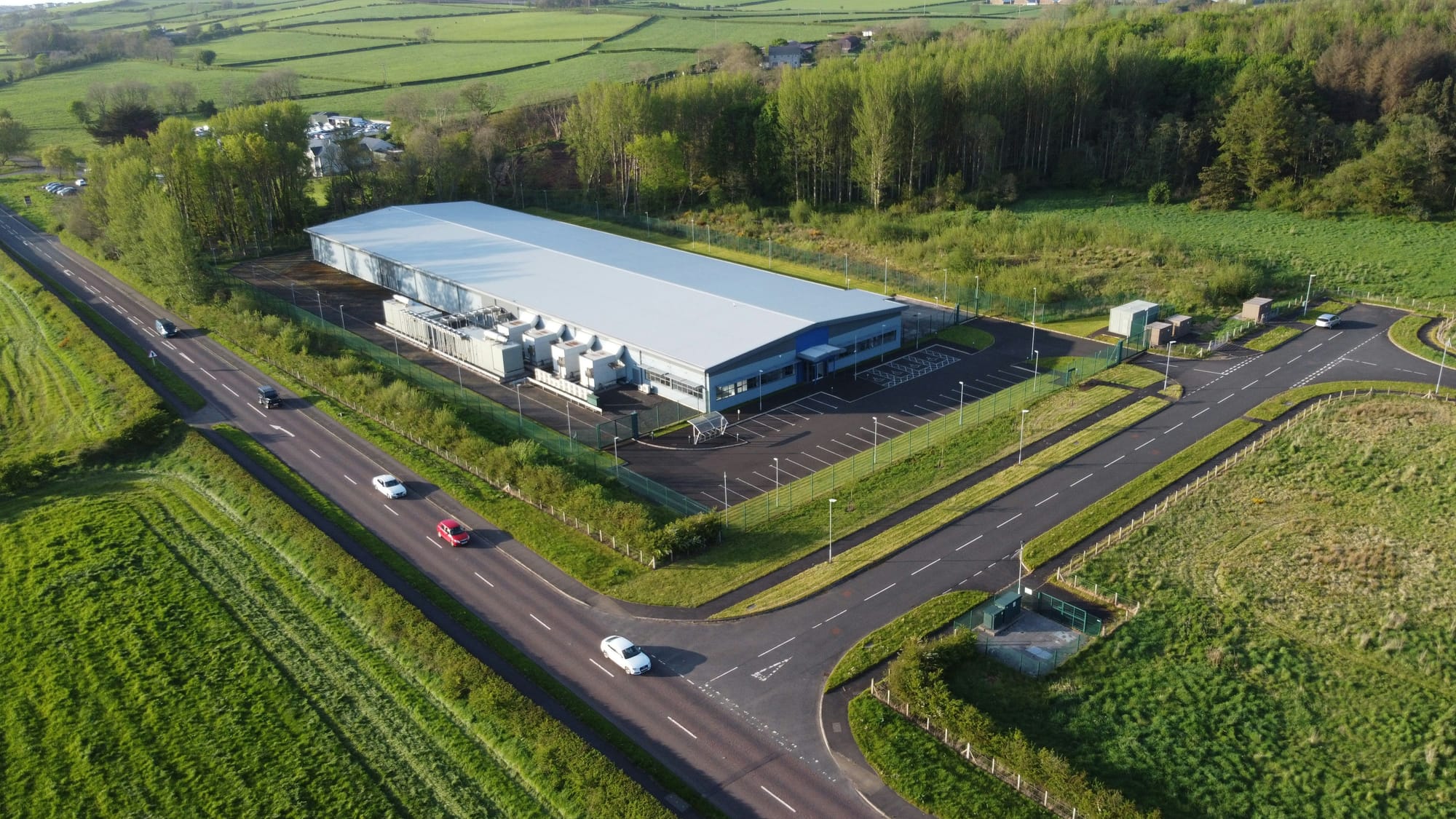
 Photo by Geoffrey Moffett on Unsplash
Amazon AI and Climate Change
By Varsha Bansal | 5 min read
Amazon's latest coverage highlights how AI tools are being deployed to model climate risks, optimize logistics, and monitor emissions. The article explores both potential benefits in reducing carbon footprints and the challenges around data quality, transparency, and accountability. It notes regulatory scrutiny as governments push for responsible AI and clear sustainability metrics. The piece also considers the broader implications for workers, supply chains, and the pace of adoption across global markets.
 Photo by Logan Voss on Unsplash
Why Quantum Security is Rising on Layer-1 Roadmaps
By Bradley Peak | 5 min read
The article explains why quantum security matters for Layer1 blockchains as threat models evolve. It highlights networks that are prioritizing post quantum cryptography, formal security proofs, and migration plans to quantum resistant schemes. It discusses timelines, governance, and the practical challenges of upgrading consensus and wallet security without fragmenting ecosystems. The piece also notes that early adopters may gain a competitive edge while others lag, creating a path toward widespread post quantum readiness.
 Photo by
 Africa's forests are absorbing and emitting carbon
By University of Leicester | 5 min read
A new study highlights the dual role of Africa's forests: they absorb carbon as they grow but also emit CO2 from drought, fires, and degradation, with regional variations in capacity. The report discusses deforestation pressures, reforestation gains, and the importance of land-use policies for climate mitigation. It emphasizes the need for reliable forest monitoring and transparent accounting to inform national and international climate strategies. The findings suggest that strengthening forest governance and finance will be critical to maximizing sinks while reducing emissions.
🌙 NASA - Best Photo from Last Week
Red Spider Nebula
ESA/Webb, NASA & CSA, J. H. Kastner (Rochester Institute of Technology)
Using its Near-InfraRed Camera (NIRCam), NASA’s James Webb Space Telescope captured never-before-seen details of the Red Spider Nebula, a planetary nebula, in this image released on Oct. 26, 2025. NIRCam is Webb’s primary near-infrared imager, providing high-resolution imaging and spectroscopy for a wide variety of investigations.
Webb’s new view of the Red Spider Nebula reveals for the first time the full extent of the nebula’s outstretched lobes, which form the ‘legs’ of the spider. These lobes, shown in blue, are traced by light emitted from H2 molecules, which contain two hydrogen atoms bonded together. Stretching over the entirety of NIRCam’s field of view, these lobes are shown to be closed, bubble-like structures that each extend about 3 light-years. Outflowing gas from the center of the nebula has inflated these massive bubbles over thousands of years.
Image credit: ESA/Webb, NASA & CSA, J. H. Kastner (Rochester Institute of Technology)
Disclaimer: None of the content in this newsletter is meant to be financial advice. Please do your own due diligence before taking any action related to content within this article.