
 Photo by IKECHUKWU JULIUS UGWU on Unsplash
By Arjun Parashar | 5 min read
JPMorgan is piloting the tokenization of U.S. debt issuance on a widely used blockchain, signaling a shift toward greater transparency and on-chain settlement. The move could streamline primary issuance, trading, and settlement while reducing counterparty risk through verifiable, auditable records. Industry observers caution that adoption will require standardization, regulatory alignment, and robust risk controls. The article notes potential efficiency gains but also highlights the need for governance to scale such capabilities across markets.
 Photo by Evgeniy Alyoshin on Unsplash
The Five Layers of AI Safeguarding the Utility Industry
By Subo Guha | 5 min read
The piece lays out a layered approach to integrating AI in utilities, emphasizing safety, reliability, and governance. It argues that successful AI in the sector rests on five distinct layers: data integrity, model safety, deployment resilience, operational monitoring, and governance/compliance. Each layer requires concrete controls, from data quality checks to continuous risk assessment. The article also highlights organizational readiness, cross-functional collaboration, and regulatory considerations as critical enablers. The takeaway is that AI without layered safeguards risks outages, bias, and regulatory pushback, while a disciplined approach can unlock efficiency and safer operations.
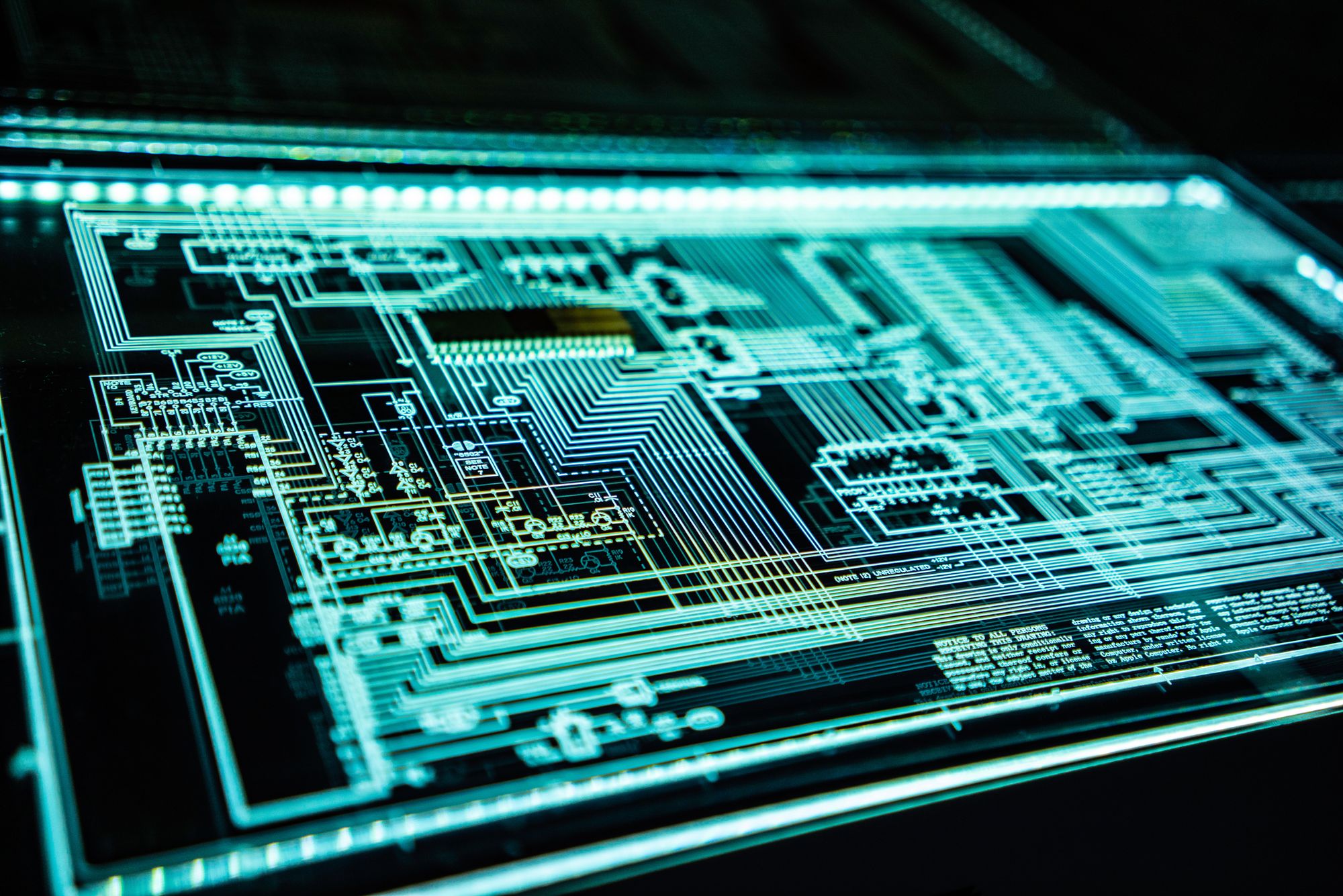 Photo by Adi Goldstein on Unsplash
Why Most Enterprise AI Coding Pilots Underperform — Hint It's Not the Model
By Dhyey Mavani | 5 min read
The article argues that the root causes of failed pilots lie outside the chosen AI model. It emphasizes misalignment with business outcomes, undefined success metrics, and insufficient data readiness as primary bottlenecks. Integration challenges with existing systems, data silos, and governance gaps further undermine pilots. It advocates starting from business goals, designing end-to-end workflows, and building scalable governance and data strategies before selecting tools. The result is a practical roadmap for turning pilots into repeatable, value-generating programs.
🌙 NASA - Best Photo from Last Week
XRISM Finds Chlorine, Potassium in Cas A
This composite image of the Cassiopeia A (or Cas A) supernova remnant, released Jan. 8, 2024, contains X-rays from Chandra (blue), infrared data from Webb (red, green, blue), and optical data from Hubble (red and white). A study by the XRISM (X-ray Imaging and Spectroscopy Mission) spacecraft has made the first-ever X-ray detections of chlorine and potassium in the wreckage.X-ray: NASA/CXC/SAO; Optical: NASA/ESA/STScI; IR: NASA/ESA/CSA/STScI/Milisavljevic et al., NASA/JPL/CalTech; Image Processing: NASA/CXC/SAO/J. Schmidt and K. Arcand
The Cassiopeia A supernova remnant glows in X-ray, visible, and infrared light in this Jan. 8, 2024, image that combines data from NASA’s Chandra X-ray Observatory and Hubble, Webb, and Spitzer space telescopes. A study by the XRISM (X-ray Imaging and Spectroscopy Mission) spacecraft has made the first-ever X-ray detections of chlorine and potassium from the wreckage; a paper about the result was published Dec. 4, 2025, in Nature Astronomy.
Read more about this discovery.
Image credit: X-ray: NASA/CXC/SAO; Optical: NASA/ESA/STScI; IR: NASA/ESA/CSA/STScI/Milisavljevic et al., NASA/JPL/CalTech; Image Processing: NASA/CXC/SAO/J. Schmidt and K. Arcand
Disclaimer: None of the content in this newsletter is meant to be financial advice. Please do your own due diligence before taking any action related to content within this article.