
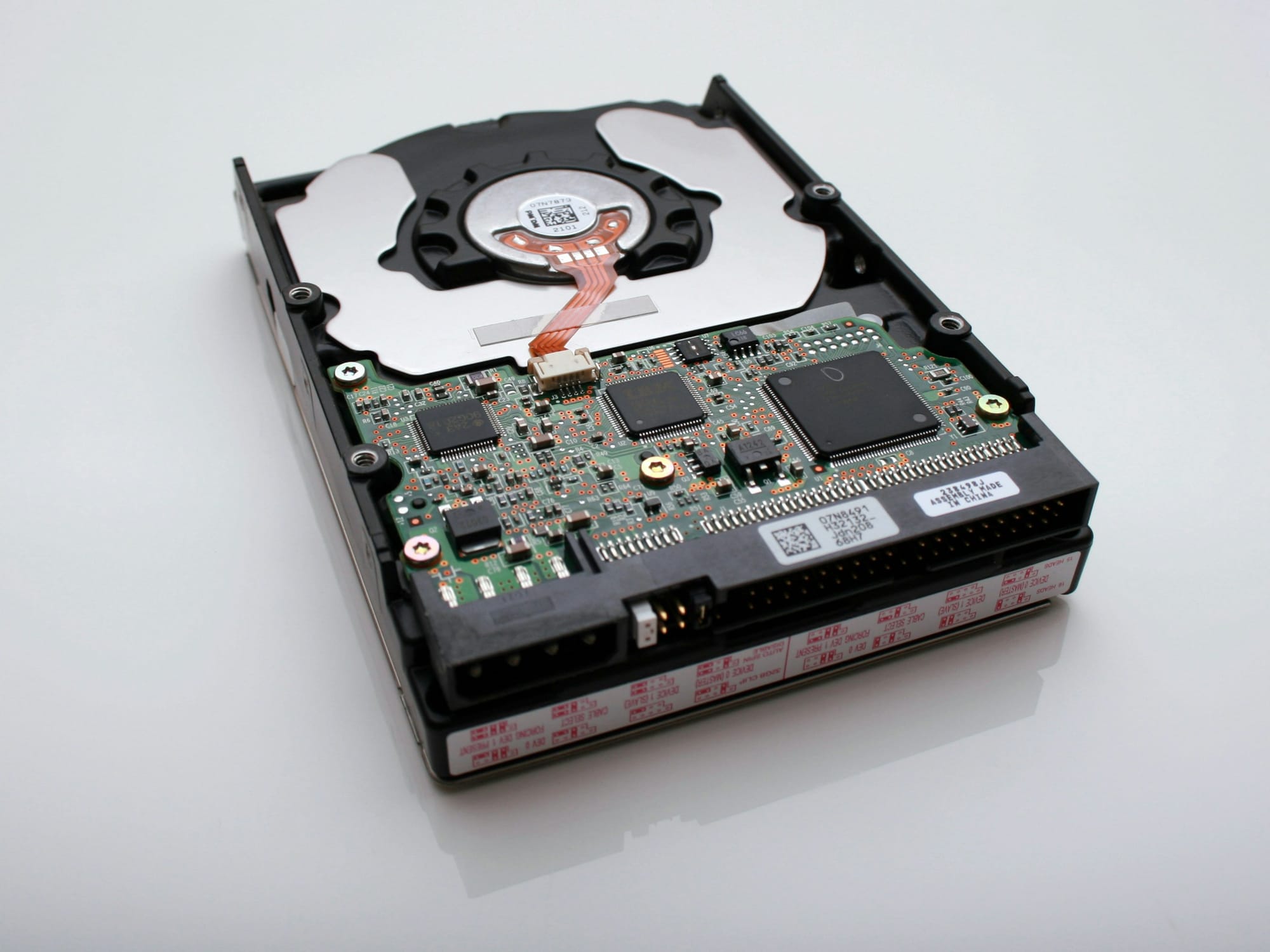
 Photo by Vincent Botta on Unsplash
Digital storage and memory feeds AI at the 2026 CES
By Tom Coughlin | 4 min read
At CES 2026 vendors highlighted storage and memory innovations designed to accelerate AI workloads, including denser NVMe drives, computational storage, and new persistent-memory configurations. The article stresses that data movement and locality are becoming the primary bottlenecks for training and inference at scale, not just raw compute. Advances showcased aim to reduce latency and energy per operation, enabling larger models closer to data sources and more capable edge deployments. The piece underscores supply-chain and standards considerations that will determine which technologies see broad adoption.

Same AI, Very Different Future of Jobs — Leadership Decides
By Nirit Cohen | 5 min read
The article argues that identical AI technologies can produce divergent labor outcomes depending on leadership choices around deployment, reskilling, and organizational design. It outlines scenarios where firms either augment human roles, invest in workforce transition, or displace workers without remediation, and shows the long-term productivity and social risks of each path. Practical levers—role redesign, targeted training, and governance—are presented as determinants of whether AI broadens opportunity or concentrates risk. The piece calls for deliberate leadership strategies to align AI adoption with sustainable workforce outcomes.

Quantum computing is closer than you think
By Federal News Network | 7 min read
This analysis summarizes recent hardware and software milestones that are compressing timelines for practical quantum advantage in targeted domains. It highlights progress in qubit fidelity, error-mitigation techniques, and hybrid classical-quantum workflows that make near-term applications—materials, chemistry, and optimization—more attainable. The article also discusses federal interest and funding as accelerants while noting that scalable fault-tolerant systems remain a multi-year challenge. It closes by emphasizing the need for workforce development and cryptographic preparedness as adoption approaches.
🌙 NASA - Best Photo from Last Week
Lightning from Above
NASA/Nichole Ayers
NASA astronaut Nichole Ayers captured this image of lightning while orbiting aboard the International Space Station more than 250 miles above Milan, Italy on July 1, 2025. Storm observations from space station help scientists study Earth’s upper atmosphere, which can improve weather models and protect communication systems and aircraft. Space station crew take photographs of Earth that record how the planet changes over time due to human activity and natural events. This record allows scientists to monitor disasters and direct response on the ground and study phenomena.
Image credit: NASA/Nichole Ayers
Disclaimer: None of the content in this newsletter is meant to be financial advice. Please do your own due diligence before taking any action related to content within this article.